/filters:format(jpeg,png)/fit-in/300x300/guide_websites/2821/images/image-2025-11-05t050534.293.v31.jpg)
/filters:format(jpeg,png)/fit-in/237x80/guide_websites/2821/images/image-2025-11-05t050534.293.v31.jpg)
Lingcod Fishing in Roseburg OR - Epic Catch Report
Lingcod Fishing in Roseburg - What to Expect
%2F%2Fusers%2Ff94951eb-7349-410a-b52b-682c64364883%2Fimages%2Froseburg-lingcod-fishing-success-2677.jpg&w=1920&q=75)
Fishing Charter by Captain Travis Marsh in April
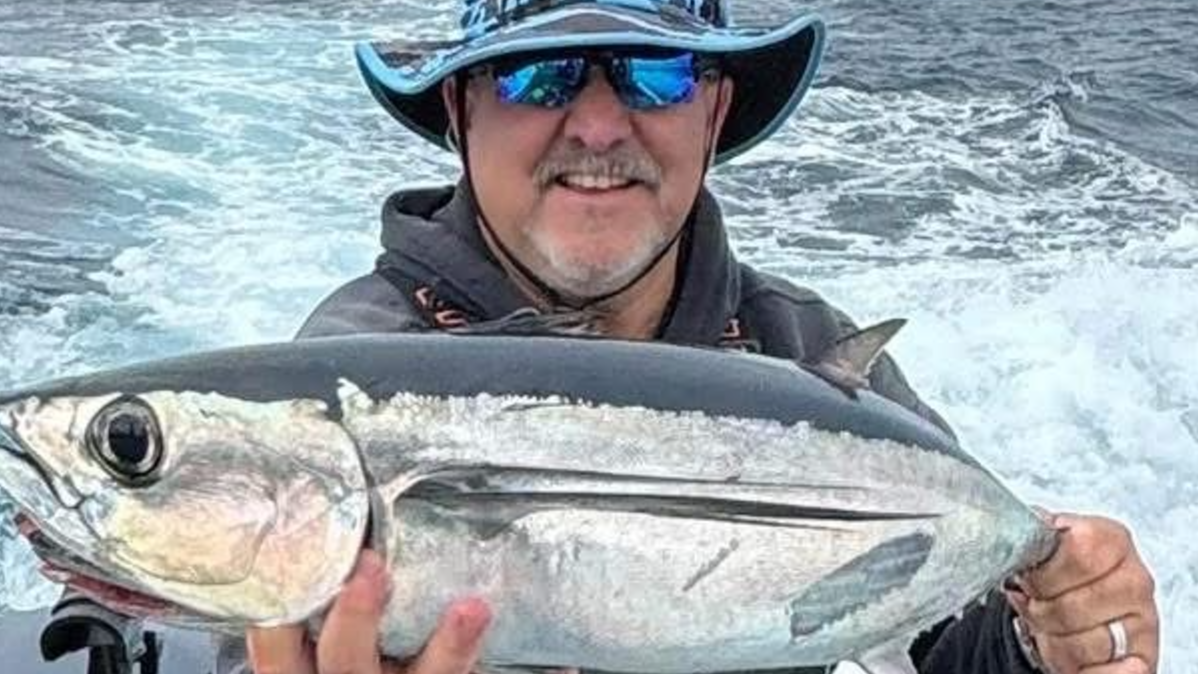
Meet your Captain Travis Marsh
- Top Rated Fishing Guide out of Winchester Bay, OR


Summary
Join Captain Travis Marsh of SOA Charters on a Wednesday in April for an explosive lingcod fishing charter in Roseburg, Oregon. This fishing charter delivers hard-hitting action and multiple trophy-sized catches that showcase why this region is prime lingcod territory.
Fishing Charter with Captain Travis Marsh - Rates & Booking
Captain Travis Marsh of SOA Charters on Wednesday, April 16 delivers an unforgettable lingcod fishing experience in Roseburg, Oregon. This fishing charter targets aggressive bottom-dwellers that fight hard and reward anglers with trophy-sized catches.
Ready for peak lingcod action? Contact SOA Charters to reserve your spot and prepare for explosive fishing conditions. This charter operation brings local expertise and proven fishing techniques that connect you with multiple quality specimens.
Highlights of This Lingcod Charter
The action captured here shows exactly what's possible when conditions align and anglers are locked in. Multiple large lingcod stacked on the dock represent sustained success throughout the day - this isn't a single lucky cast but consistent, hard-hitting fishing. The excitement visible in the group tells the real story of what happens when everything fires on all cylinders.
Roseburg's waters hold deep structure and rocky areas that linger hold prime habitat. Captain Travis knows exactly where these aggressive fish stack up and how to trigger explosive strikes that get your adrenaline pumping from first cast to final haul.
Local Species Insights: Lingcod
Lingcod are the apex predators of Oregon's rocky bottom structure, and they don't hold back when they strike. These powerful fish are aggressive hunters that inhabit deep reefs, rocky outcrops, and submarine canyons. What makes them so thrilling to chase is their explosive take - they hit baited rigs and soft plastics with pure aggression, then dig hard and heavy on the way up.
These fish earned their fierce reputation through pure hunting instinct. Lingcod patrol rocky terrain looking for wounded or distressed prey, so presentation matters intensely. Once hooked, they're built for power - thick bodies and enormous mouths allow them to fight with raw strength that tests your gear and your endurance. The fight is immediate, explosive, and relentless.
Size matters in lingcod country, and Roseburg waters produce exceptional specimens. Fish in the 15-30 pound range are consistent here, with trophy fish pushing well beyond. The coloration ranges from mottled browns and grays to vibrant turquoise on breeding males - they're visually striking before the fight even starts. Depth, structure, and seasonal feeding patterns all influence where and when they bite hardest.
The rocky bottom habitat that holds lingcod also affects fishing strategy. Heavier jigs and sinkers keep presentations in the strike zone where these bottom-huggers patrol. Current flow is critical - it brings fresh bait scent and triggers aggressive feeding responses. Understanding structure and current interaction is how guides like Captain Travis consistently deliver multiple hookups per charter.
Plan Your Lingcod Fishing Day
Show up ready for hard fishing - this isn't a casual outing but an action-packed pursuit of one of Oregon's most exciting gamefish. The dock launch means quick access to productive water, and the setup lets anglers focus on fishing rather than logistics. Bring your energy, your appetite for action, and a camera ready to capture the moment.
Fishing in Oregon: Lingcod
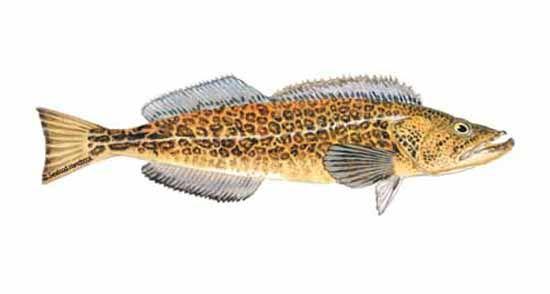
Lingcod Overview
Lingcod (Ophiodon elongatus) belongs to the Hexagrammidae family within the order Scorpaeniformes, making them fascinating members of the greenling group despite their misleading common name. These gnarly-looking saltwater gamefish are instantly recognizable by their elongated bodies, enormous mouths filled with wickedly sharp teeth, spiny dorsal fins, and mottled grey, brown, and greenish coloring. Locals in British Columbia and Washington often call them "Buckethead" because of their disproportionately large head and cavernous mouth. What makes lingcod truly special isn't just their aggressive personality—it's their incredible territorial behavior, voracious appetite, and the sheer adrenaline rush they deliver to anglers willing to challenge them in rocky offshore terrain.
Lingcod Habitat and Distribution
Lingcod are endemic throughout the west coast of North America, with the highest concentrations found along the coasts of British Columbia and Washington. These bottom-dwelling ambush predators thrive in rocky seafloor environments rich with seaweeds, kelps, and eelgrass, typically inhabiting depths between thirty and three-hundred feet. They prefer areas with strong tidal currents and rarely venture far from their rocky lairs—in fact, individual lingcod often return to the same home base year after year after spawning migrations. If you're hunting trophy-sized specimens, Alaska's waters consistently produce seventy-pound monsters, though the average catch in Pacific Northwest waters tends toward more moderate sizes. Their preference for dark, rocky crevices and their solitary nature make them masters of camouflage and patience.
Lingcod Size and Weight
Lingcod display remarkable sexual dimorphism, with females significantly outgrowing males. Most females exceed two feet in length and can reach impressive proportions, while males typically remain under two feet. The average recreational catch ranges from twenty to forty inches and weighs between twenty-five and sixty pounds. The largest reported lingcod ever caught measured sixty inches long and tipped the scales at approximately eighty-five pounds—a true monster by any standard. Female specimens of forty to fifty pounds are not uncommon in premium fishing grounds, particularly in Alaska and the deeper waters off the British Columbia coast.
Lingcod Diet and Behavior
Lingcod are voracious carnivores with appetites to match their aggressive temperaments. These bottom-dwellers are ambush predators that remain mostly stationary on rocky substrates, using their mottled coloring to blend seamlessly into their environment before launching lightning-fast attacks on unsuspecting prey. Their diet includes fishes, squids, crabs, octopus, and smaller lingcod—yes, they're openly cannibalistic. Essentially, if it fits in their enormous mouth, it becomes fair game. They're known for their lazy demeanor when resting, often lying flat-bellied on the seafloor, but this passivity transforms instantly into explosive violence when prey appears. Interestingly, lingcod don't flee from predators, including humans; their aggressive instinct drives them to fight rather than flee. During spawning season (December through April), they become particularly territorial and have been documented attacking humans, making caution advisable for divers or waders in shallow rocky areas during breeding months.
Lingcod Spawning and Seasonal Activity
Lingcod reproduce between December and April, congregating in shallow waters over rocky reefs with strong tidal currents. Reproduction occurs externally—females deposit between 40,000 to 500,000 eggs per spawning season into rocky crevices and then abandon them. Males then locate and fertilize the eggs, becoming fiercely territorial guardians who protect their nests from predators for eight to ten weeks. This paternal guarding behavior is remarkable and demonstrates unexpected parental investment for such an aggressive species. Once eggs hatch, the larvae feed on zooplankton until they're large enough to hunt smaller fishes. Lingcod can be caught year-round, though spawning season presents unique opportunities for anglers willing to target aggressive, territorial fish. After spawning concludes, mature adults display remarkable site fidelity, returning to their home bases rather than undertaking extended migrations.
Lingcod Techniques for Observation or Capture
Successfully fishing for lingcod requires understanding their habitat preferences and aggressive feeding behavior. Here are proven techniques for tangling with these fighters:
Tackle and Setup: Deploy a medium-weight conventional setup paired with braided line rated for at least thirty pounds. Braided line outperforms monofilament for lingcod because it's more durable and doesn't stretch, providing superior hookset effectiveness when fishing rocky terrain where snagging is inevitable. The reduced stretch also helps anglers detect subtle bottom contact and maintain better feel in deep water.
Lure Selection: Metal jigs consistently outperform other lure types for lingcod, with many professional anglers swearing by one-to-four-ounce jigs depending on depth and current strength. Jigging vertically near rocky outcrops and reefs proves highly effective, and the flash and vibration of quality metal jigs trigger aggressive strikes from territorial fish. Around Vancouver and Seattle, anglers report excellent success with silver and white-colored jigs that mimic baitfish.
Live or Dead Bait: Lingcod eagerly attack both live and dead baitfish, squid, and crustaceans. Anchovy, herring, and squid work exceptionally well. Present bait near rocky structures at appropriate depths, allowing natural drift with tidal currents. The aggressive feeding response means bait selection matters far less than proper placement near cover.
Lingcod Culinary and Utilization Notes
Lingcod flesh is white, moderately firm, and flavorful—earning an "Average Odds" culinary rating because while edible and perfectly acceptable, it doesn't command the premium status of some other Pacific gamefish. The meat has a mild, slightly sweet taste and holds together well during cooking, making it suitable for baking, grilling, poaching, or fish and chips preparations. Sustainability has improved dramatically since the species faced near-endangered status in the late 1990s due to overfishing. Modern catch-and-size limitations and fishing regulations have allowed populations to stabilize substantially. For anglers in British Columbia, Washington, and Alaska, lingcod provide excellent table fare and a healthy source of lean protein when harvest limits are observed.
Lingcod Frequently Asked Questions
Q: What is the best bait or lure for targeting lingcod?
A: Metal jigs rank as the top choice among successful anglers, with one-to-four-ounce designs producing reliable strikes. If you prefer bait, fresh or frozen anchovy, herring, and squid all work excellently. The key is presentation near rocky structure rather than specific bait selection, as lingcod are indiscriminate and aggressive feeders.
Q: Where can I find lingcod near Seattle or Vancouver?
A: Both cities offer excellent lingcod fishing in nearby saltwater. Rocky reefs, kelp beds, and areas with strong tidal currents within thirty to three-hundred feet of depth hold concentrations of these fish. Local charter operations and tackle shops in Seattle and Vancouver can provide specific GPS coordinates for productive grounds that change seasonally.
Q: How big do lingcod typically grow, and what's the record?
A: Average catches range from twenty to forty inches and weigh between twenty-five and sixty pounds. The all-time reported record measures sixty inches long and weighs approximately eighty-five pounds. Alaska and deep British Columbia waters consistently produce fifty-plus-pound specimens.
Q: Is lingcod good to eat, and are they sustainable to harvest?
A: Yes, lingcod provide acceptable table fare with white, moderately firm, mild-flavored flesh. They're sustainable to harvest given modern population recovery and regulations. Catch limits and minimum size restrictions are in place to maintain healthy stocks after near-endangered status in the late 1990s.
Q: When is the best time to catch lingcod?
A: Lingcod can be caught year-round, though winter spawning season (December-April) concentrates fish in shallower rocky areas and makes them more aggressive. Many anglers target spring and fall when water conditions stabilize and fish feed heavily outside spawning season.
Q: Are lingcod dangerous, and can they attack humans?
A: Lingcod have documented cases of attacking humans, particularly during spawning season when they become extremely territorial. Their aggressive nature and enormous mouth filled with sharp teeth command respect, especially for divers or waders in shallow rocky habitat during breeding months.