/filters:format(jpeg,png)/fit-in/300x300/guide_websites/2821/images/image-2025-11-05t050534.293.v31.jpg)
/filters:format(jpeg,png)/fit-in/237x80/guide_websites/2821/images/image-2025-11-05t050534.293.v31.jpg)
Barred Surfperch Catch in Roseburg OR Fishing Charter
Barred Surfperch Fishing in Roseburg - What to Expect
%2F%2Fusers%2Ff94951eb-7349-410a-b52b-682c64364883%2Fimages%2Froseburg-barred-surfperch-cooler-catch-2548.jpeg&w=1920&q=75)
Fishing Charter by Captain Travis Marsh in May
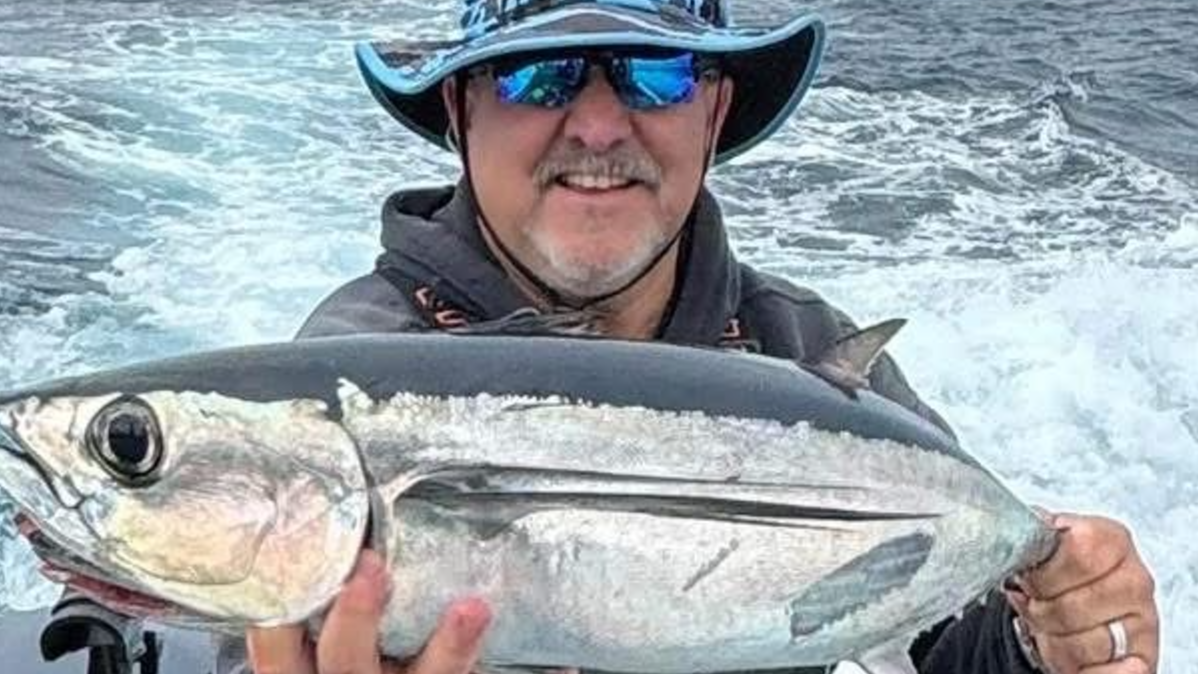
Meet your Captain Travis Marsh
- Top Rated Fishing Guide out of Winchester Bay, OR


Summary
A successful fishing charter with Captain Travis Marsh of SOA Charters on Thursday, May brought fresh barred surfperch to the cooler off Roseburg's coast. This coastal fishing experience showcases what's possible when targeting this spirited species in Oregon waters.
Fishing Charter with Captain Travis Marsh - Rates & Booking
Captain Travis Marsh of SOA Charters took anglers out on Thursday, May for a productive session targeting barred surfperch off Roseburg's coast. This fishing charter delivers hands-on experience in one of Oregon's most rewarding coastal fisheries. To book your own charter experience or inquire about availability and rates, contact SOA Charters directly.
Highlights of This Fishing Experience
The day brought steady action with multiple barred surfperch landing in the cooler, providing the kind of consistent results that make this fishery so appealing to both experienced anglers and newcomers. The combination of skill, local knowledge, and favorable conditions created an ideal scenario for a productive day on the water. Captain Marsh's expertise in reading conditions and locating active fish made the difference in turning opportunity into a successful catch.
Local Species Insights: Barred Surfperch
Barred surfperch are a signature species along Oregon's coast, known for their feisty behavior and reliable presence in nearshore waters. These fish thrive in the dynamic coastal environment around Roseburg, where rocky reefs, sandy stretches, and shifting currents create ideal habitat. What makes surfperch so rewarding to pursue is their willingness to strike and their consistent strength on the line - they fight well above their size and keep anglers engaged throughout the day.
The barred surfperch's distinctive appearance, with dark vertical bars running along silver sides, makes them instantly recognizable and memorable. They're adapted to Oregon's cooler waters and are most active during specific tidal windows and seasonal patterns. Understanding these patterns is crucial to success, which is why fishing with a local guide like Captain Marsh proves so valuable. His experience reading water conditions, tidal movements, and seasonal behavior puts anglers in the best position to connect with these fish consistently.
The experience of fishing for barred surfperch offers more than just the catch - it's an opportunity to understand the dynamics of Oregon's nearshore ecosystem. These fish respond to structure, current, and food availability, making them a thinking angler's target. The result, as evidenced by this successful charter, is a rewarding day on the water with fish in the cooler and genuine insight into coastal Oregon fishing.
Fishing in Oregon: Barred Surfperch

Barred Surfperch Overview
The Barred Surfperch (Amphistichus argenteus) is a member of the Embiotocidae family within the order Perciformes, and stands as one of the three largest surfperch species found along the Pacific coast. Known by several local names including silver perch, barreds, sand perch, and silver surf fish, this species is instantly recognizable by its distinctive bronze or brassy bars and spots adorning its sides, combined with the absence of a red tail that characterizes some of its cousins. If you're fishing the beaches of Southern California or exploring the nearshore waters around Pacifica, you'll likely encounter this hard-fighting fish, which has earned its reputation as a favorite among sandy shore anglers seeking a reliable and rewarding catch.
Barred Surfperch Habitat and Distribution
Barred Surfperch are native to the inshore waters stretching from northern California down to southern Baja California, Mexico. These fish thrive in the turbulent surf zones of sandy beaches and shallow waters, where their brassy and silver coloring blends seamlessly with the wave-churned environment. While they're commonly found just outside the first set of breakers and along oceanfront piers north of Pacifica Pier, they also inhabit deeper waters—research has documented trawl catches at depths up to 240 feet. You'll also find them congregating near rocks, pilings, and other structures that provide good cover and food sources. The sandy-shore environment is their preferred domain, where the churning waters and shifting sands create ideal hunting grounds.
Barred Surfperch Size and Weight
These fish typically range from 4 to 17 inches in length, though most individuals you'll encounter average around 12 inches or less. The maximum recorded weight for a Barred Surfperch reaches an impressive 4.4 pounds, making them a satisfying catch for anglers of all skill levels. Their moderate size makes them accessible to beginners while still offering enough fight to keep experienced anglers engaged. This size range also makes them ideal for shore and pier fishing, where they can be effectively targeted with light to medium tackle.
Barred Surfperch Diet and Behavior
The diet of Barred Surfperch centers almost exclusively around sand crabs, which comprise approximately 90% of their food intake. These small crustaceans are perfectly adapted to their sandy beach habitat, and the surfperch have evolved specialized feeding behaviors to hunt them effectively in the surf zone. Beyond sand crabs, they'll opportunistically feed on sandworms, blood worms, shrimp, squid, and small hard baits. Their behavioral pattern involves hunting in the shallow, turbulent waters where sand crabs burrow and emerge with the tides. Interestingly, anglers have successfully caught them on plastic grubs and other artificial lures, indicating their willingness to strike at a variety of offerings when conditions are right. They're active year-round, though their feeding intensity and catchability vary seasonally.
Barred Surfperch Spawning or Seasonal Activity
While Barred Surfperch can be found and caught throughout the year, the prime fishing season occurs during the winter months, particularly December through January in Southern California. During this peak period, these fish are more aggressive and abundant in the nearshore zones, making it the ideal window for both recreational and serious anglers. The specific triggers for seasonal abundance relate to water temperature changes, bait availability, and breeding cycles. Outside of peak season, they remain catchable but may require more persistence and skill to locate and entice. Many local anglers plan their trips specifically around these winter months to maximize their success rates.
Barred Surfperch Techniques for Observation or Capture
Technique One: Traditional Surf Fishing with Live Sand Crabs
The most effective method for targeting Barred Surfperch involves using live sand crabs as bait, capitalizing on their natural dietary preference. Set up with a pyramid sinker sized to hold your bait in place given the current conditions, and use an 8 to 20-pound test line with a high/low leader featuring size 6 to 2 hooks. Cast just outside the first set of breakers where these fish actively hunt. Fish during the slack water periods around tide changes for optimal results. This traditional approach consistently outperforms other methods and remains the gold standard among Southern California anglers.
Technique Two: Light Tackle with Multiple Bait Options
If live sand crabs aren't available, construct a versatile setup using sandworms, blood worms, shrimp, squid, cut fish, clams, or mussels. Light to medium tackle works well depending on conditions and wave intensity. This flexibility allows you to adapt to what's available locally and what the fish are actively striking. Many successful anglers around Pacifica and nearby beaches rotate through these baits throughout a fishing session to determine what's producing best on any given day.
Technique Three: Artificial Lure Experimentation
Don't overlook the effectiveness of plastic grubs and small artificial lures for Barred Surfperch. While live bait remains more reliable, artificials can be particularly productive during slower periods or when you want to cover more water. Use light spinning tackle and work the lures through the water column in the nearshore zone. This method also allows for more active fishing compared to traditional bait soaking, which some anglers find more engaging.
Barred Surfperch Culinary or Utilization Notes
Barred Surfperch are considered good eating and offer decent table fare for anglers who wish to keep their catch. The flesh is mild and flaky, making it suitable for a variety of cooking methods including pan-frying, baking, and grilling. Many local cooks appreciate their subtle flavor and firm texture. From a sustainability perspective, these fish are generally abundant and support healthy recreational fisheries, making them an ethical choice for consumption. However, many catch-and-release anglers prefer to return them to the water, particularly smaller specimens, to ensure the continued health of local populations. Check local regulations regarding size and bag limits in your specific area before keeping any fish.
Barred Surfperch Frequently Asked Questions
Q: What is the best bait for catching Barred Surfperch?
A: Live sand crabs are unquestionably the best choice, as they comprise 90% of their natural diet. If unavailable, quality alternatives include sandworms, blood worms, shrimp, and squid. The key is using fresh, lively bait that creates natural movement in the water to trigger strikes.
Q: Where can I find Barred Surfperch near Southern California beaches?
A: These fish are abundant along sandy beaches and oceanfront piers throughout Southern California, particularly north of Pacifica Pier. Fish the zone just outside the first set of breakers for the highest concentration. Shallow waters and areas with visible sand crab activity are prime spots.
Q: What's the best time of year to fish for Barred Surfperch?
A: December through January represents prime time in Southern California, when these fish are most aggressive and abundant. However, they're catchable year-round, making them an excellent target for anglers during off-season months when other species may be less active.
Q: Is Barred Surfperch good to eat?
A: Yes, they're considered good eating with mild, flaky white flesh. Many anglers enjoy them pan-fried or baked. However, many recreational fishermen practice catch-and-release to support healthy populations, particularly given their abundance in local waters.
Q: What tackle setup do you recommend for Barred Surfperch?
A: Use light to medium tackle with 8 to 20-pound test line, a pyramid sinker, and a high/low leader with size 6 to 2 hooks. Adjust sinker weight based on current conditions to maintain bottom contact without excessive weight that reduces sensitivity.
Q: Can you catch Barred Surfperch on artificial lures?
A: Absolutely. While live bait remains more reliable, plastic grubs and small artificial lures can be quite productive. Many anglers enjoy using artificials for a more active fishing experience, especially during peak feeding windows or in high-activity periods.