/filters:format(jpeg,png)/fit-in/300x300/guide_websites/2821/images/image-2025-11-05t050534.293.v31.jpg)
/filters:format(jpeg,png)/fit-in/237x80/guide_websites/2821/images/image-2025-11-05t050534.293.v31.jpg)
Complete Guide to Fishing in Winchester Bay, Oregon
%2Ffit-in%2F1000x1000%2Ffilters%3Aformat(webp)%2Fguide_websites%2F2821%2Fimages%2F1762374421257image-2025-11-06t042321.408.png&w=1920&q=75)
Published: August 18, 2026
For maritime enthusiasts and passionate sportsmen alike, the Pacific Northwest represents an unparalleled frontier of rugged natural beauty and abundant aquatic life. At the very epicentre of this marine paradise lies Winchester Bay, a remarkably dynamic coastal community that has earned a fierce reputation among the global angling community. When discussing the absolute pinnacle of fishing Oregon Coast environments, this specific region consistently dominates the conversation. This is where the mighty, free-flowing Umpqua River empties its massive, nutrient-dense freshwater volume directly into the turbulent currents of the Pacific Ocean.
This unique geographical convergence creates a highly complex marine ecosystem. The mixing waters draw staggering numbers of baitfish, which subsequently attract some of the most powerful, sought-after predatory gamefish found anywhere on the western seaboard. Whether your ultimate ambition is to battle a massive, chrome-bright salmon in the deep ocean swells, or you prefer to drop heavy jigs for bottom-dwelling predators along the rocky coastal reefs, Winchester Bay delivers an extraordinary maritime adventure. In this comprehensive guide, we will explore the geographical advantages of the harbour, detail the primary target species, break down the seasonal shifts, and explain exactly how to properly prepare for your upcoming coastal expedition.
The Geographical Advantage of Salmon Harbour
To truly understand why this location is so revered, one must first examine the physical layout of the region. The primary launch facility for virtually all marine excursions here is appropriately named Salmon Harbour. It is a sprawling, exceptionally well-maintained maritime hub designed specifically to cater to the needs of serious anglers and commercial fishermen alike.
Immediate Access to the Pacific
Unlike many other coastal ports that require navigating miles of winding, shallow estuaries before finally reaching open water, Salmon Harbour places you remarkably close to the action. The proximity to the ocean means that vessels can swiftly cross the river bar and deploy their gear. The continental shelf in this specific zone drops off rapidly, granting crews immediate access to the deep, cold currents where massive pelagic fish travel. Exploring the vast territory surrounding the harbour reveals a complex underwater topography consisting of deep trenches, submerged pinnacles, and expansive sandy flats that support a breathtaking variety of marine life.
The Influence of the Umpqua River
The Umpqua River is one of the most pristine, undammed waterways on the continent. Because it flows freely from the Cascade Mountains down to the sea, it acts as a massive, unobstructed superhighway for anadromous fish. Millions of salmon and steelhead use this exact river mouth to transition between their freshwater spawning grounds and their saltwater feeding territories. This constant biological traffic is the primary reason why Oregon Coast fishing is widely considered world-class.
Prime Species to Target on the Coast
The sheer biodiversity of this marine sector is astonishing. Anglers visiting the region can target a wide array of species, each requiring distinct tactics, specific gear, and a unique approach on the water.
The Kings and Silvers
The undisputed main attraction for the vast majority of visitors is the salmon fishery. These fish are renowned for their incredible stamina, delicious meat, and explosive fighting capabilities.
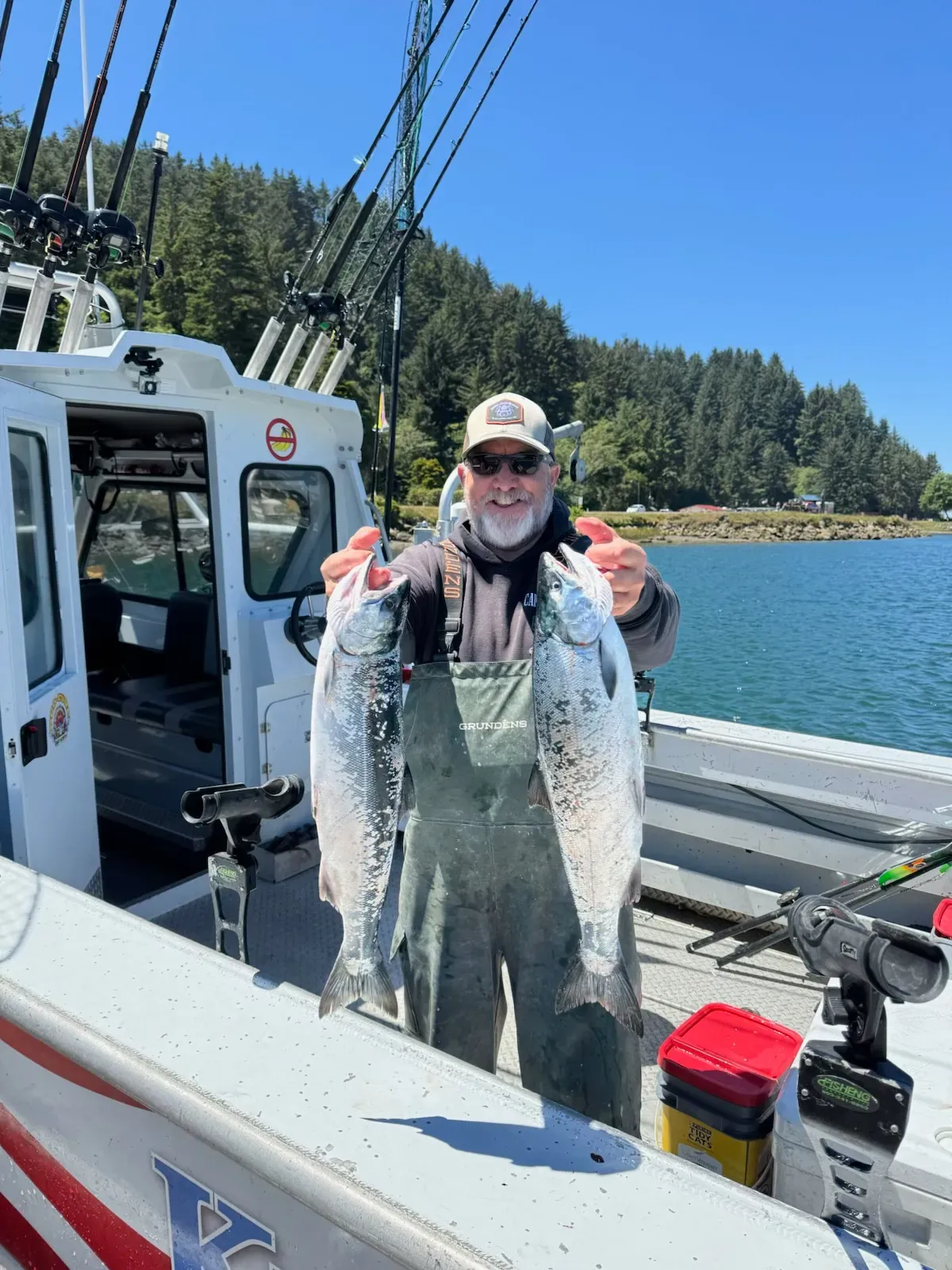
- Chinook Salmon (King Salmon): These are the largest of the Pacific salmon species. They are heavily muscled, deep-diving fighters that will ruthlessly test your drag systems. In the ocean, they are targeted by trolling deep with heavy lead and flashers.
- Coho Salmon (Silver Salmon): While generally smaller than the Chinook, Coho are incredibly aggressive and famously acrobatic. When hooked, they frequently launch themselves entirely out of the water, providing a spectacular visual thrill.
Bottom Dwellers and Crustaceans
When the salmon are not running, or if the ocean conditions dictate staying closer to the coastal reefs, the bottom fishery provides phenomenal, consistent action.
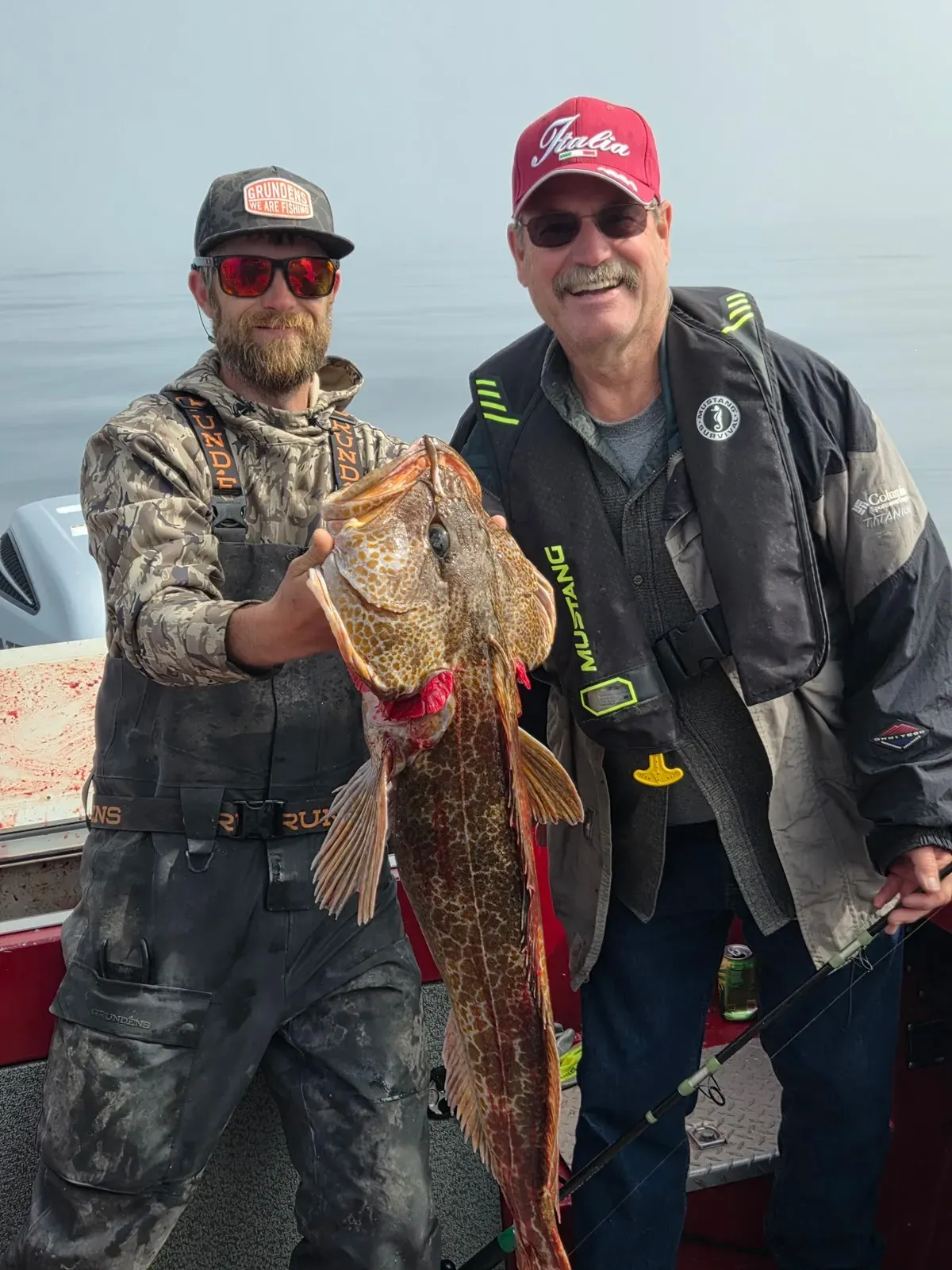
- Lingcod and Rockfish: The jagged, rocky reefs lying just offshore are heavily populated with highly aggressive Lingcod and various colourful Rockfish species. Dropping heavy swimbaits and metal jigs to the seabed often results in fast-paced action and yields incredibly flaky, delicious white fillets for the dinner table.
- Dungeness Crab: The sprawling, sandy tidal flats inside the bay itself provide a perfect habitat for Dungeness crab. Setting heavy crab pots in the bay before heading out to the ocean is a cherished local tradition. To maximise your culinary harvest, arranging dedicated combo trips featuring salmon and crabbing adventures allows you to experience the full spectrum of the bay's natural bounty in a single outing.
Seasonal Breakdown for Coastal Angling
The marine ecosystem is entirely governed by the shifting seasons. To maximise your chances of a successful outing, you must align your visit with the natural migratory patterns of your desired catch. Checking the most recent Oregon fishing tours reports is highly recommended before finalising your travel dates, as it provides invaluable, real-time data regarding water temperatures and active fish locations.
The Spring Awakening
As the harsh winter storms gradually subside, late April and May bring calmer seas and rising water temperatures.
- The primary focus during the spring months is bottom fishing.
- Lingcod and Rockfish are highly active along the nearshore reefs.
- The bay crabbing begins to pick up significantly as the water clarity improves.
The Summer Ocean Peak
Summer is unequivocally the busiest and most exciting time on the coast.
- From late June through August, massive schools of Chinook and Coho salmon congregate in the ocean just outside the river mouth.
- The weather is generally fantastic, with the chilly morning marine fog burning off to reveal bright, glorious sunshine by midday.
- The ocean swells are typically much more manageable, making this the ideal window for families and novice anglers to experience the deep blue.
The Autumn River Runs
As late August transitions into September and October, the dynamic changes dramatically.
- The colossal Fall Chinook move out of the ocean and push directly into the tidal estuary of the Umpqua River.
- The tactics shift from fast ocean trolling to precision bait casting and slow trolling with spinners in the confined river channels.
- This is the time to hunt for genuine river monsters, with many autumn Chinook weighing well over thirty pounds.
Preparing for Your Maritime Adventure
A successful day on the treacherous Pacific requires meticulous preparation. The coastal environment is notoriously unpredictable, and arriving with the correct gear ensures you remain safe, comfortable, and highly focused on the task at hand.
Essential Gear and Attire
Even in the dead of summer, the morning air sweeping off the cold ocean currents can be biting.
- Layered Clothing: Always begin with a moisture-wicking base layer. Add an insulating fleece jumper, and critically, top it off with a high-quality, windproof, and waterproof outer shell to completely block the sea spray.
- Footwear: The deck of a sportfishing vessel is frequently wet and slippery. Non-marking, waterproof rubber deck boots are essential for maintaining your balance while fighting a heavy fish.
- Sun Protection: The glare reflecting off the ocean surface is incredibly intense. Pack a wide-brimmed hat, apply rigourous amounts of water-resistant sunblock, and wear polarised sunglasses. Polarised lenses are vital, as they cut through the surface glare and allow you to see fish approaching the boat.
- Licensing: You must hold a valid Oregon Department of Fish and Wildlife angling licence, complete with the appropriate salmon, steelhead, and shellfish tags, before you ever step foot on the vessel.
The Value of Professional Winchester Bay Fishing Charters
Navigating the turbulent, shifting sandbars where the mighty Umpqua River collides with the Pacific Ocean demands incredible seamanship and years of dedicated, highly localised experience. The heavy ocean swells and powerful tidal currents create a highly complex, potentially dangerous maritime environment. Attempting to cross the river bar and tackle these deep waters without intimate local knowledge is exceedingly risky.
For the vast majority of visiting sportsmen, the safest, most productive, and vastly most enjoyable way to experience the coast is to hire reputable, professional Winchester Bay fishing charters. A dedicated charter captain provides the incredibly sturdy, heavy-duty vessel necessary to comfortably and safely ride the coastal swells. Furthermore, they supply all the premium rods, high-capacity reels, downriggers, and specialised terminal tackle strictly required to target massive gamefish. You are not simply paying for a basic boat ride; you are heavily investing in decades of marine expertise, safety protocols, and a radically increased chance of putting quality fish in the box. The crew handles all the complex rigging, baiting, and navigation, allowing you to focus entirely on the sheer thrill of the fight.
Elevate Your Angling Experience
Transforming a standard coastal holiday into an extraordinary, highly polished maritime expedition requires partnering with a crew that truly lives and breathes the ocean currents. Whether you are aiming to troll the deep blue waters for acrobatic Coho during the glorious summer peak, or you are waiting patiently in the misty tidal estuaries to ambush a massive forty-pound autumn Chinook, relying on seasoned professionals ensures a flawless journey. To secure an elite vessel, premium gear, and a captain completely dedicated to making your angling dreams a reality, explore the Southern Oregon Anglers Charter home page today. With extensive local knowledge, top-tier equipment, and a genuine, unwavering passion for the sport, they provide the absolute ultimate gateway to the spectacular bounty of the Pacific coast. Working with a dedicated crew ensures your enjoyment and catch rate are all prioritised to the highest possible degree.
Conclusion
Winchester Bay remains a genuine crown jewel of the Pacific Northwest, offering an astonishing array of angling opportunities set against a backdrop of breathtaking natural beauty. By understanding the distinct seasonal shifts, knowing which species to target, and properly preparing your gear for the dynamic maritime weather, you can perfectly time your visit to align with your specific holiday goals. Whether you are hauling up heavy crab pots from the sandy flats or battling a chrome-bright king salmon in the deep ocean swells, the experiences forged here will last a lifetime. The ocean is calling, the fish are running, and the ultimate marine adventure awaits you and your family. Ensure your preferred dates are locked in safely before the busy season begins; check the available schedule and Book Now to reserve your highly anticipated spot on the deck today.
Frequently Asked Questions (FAQs)
1. Do I need previous experience to book a charter in this region?
Not at all. Professional charters cater explicitly to anglers of all skill levels, including young families and complete novices. The captain and deckhands handle all technical equipment setup, baiting, and instruction, ensuring a safe, fun, and highly successful day on the water regardless of your prior experience.
2. What happens if the weather is too rough to cross the river bar?
Safety is always the primary concern for reputable captains. If the ocean bar is deemed too dangerous to cross due to heavy swells or severe winds, captains will often pivot the trip to target species inside the protected bay or further up the Umpqua River estuary, ensuring you still get to fish safely.
3. Can I keep the fish and crabs that I catch?
Yes, provided they meet all the strict legal size requirements and fall within the daily bag limits set by the state conservation department. Professional deckhands will properly measure, identify, and securely store your legal catch, and they usually offer professional filleting services back at the dock.
4. How far out into the ocean do the boats usually travel?
Because the continental shelf drops off quickly near the harbour, boats typically do not need to travel extremely far. Depending on where the baitfish are currently holding, you might be fishing anywhere from just one mile to ten miles off the immediate coastline.
5. What is the most effective way to prevent motion sickness on the ocean?
If you are prone to seasickness, it is highly recommended to take over-the-counter motion sickness medication the night before your departure, and another dose an hour before boarding. Staying well-hydrated, eating a light breakfast, and keeping your eyes focused on the distant horizon while on the deck also help significantly.